
One of the most common questions I hear from homeowners is:
"If I'm not using a room, shouldn't I close the air vent and shut the door to save on heating and cooling?"
It sounds logical, but in most homes the answer is no. In fact, closing vents and restricting airflow can actually reduce the efficiency of your HVAC system and make your home less comfortable.
Whether we're remodeling an older home in Little Rock, building a custom home in Bentonville, or renovating a house in Rogers, this is one of the most common misconceptions we encounter.
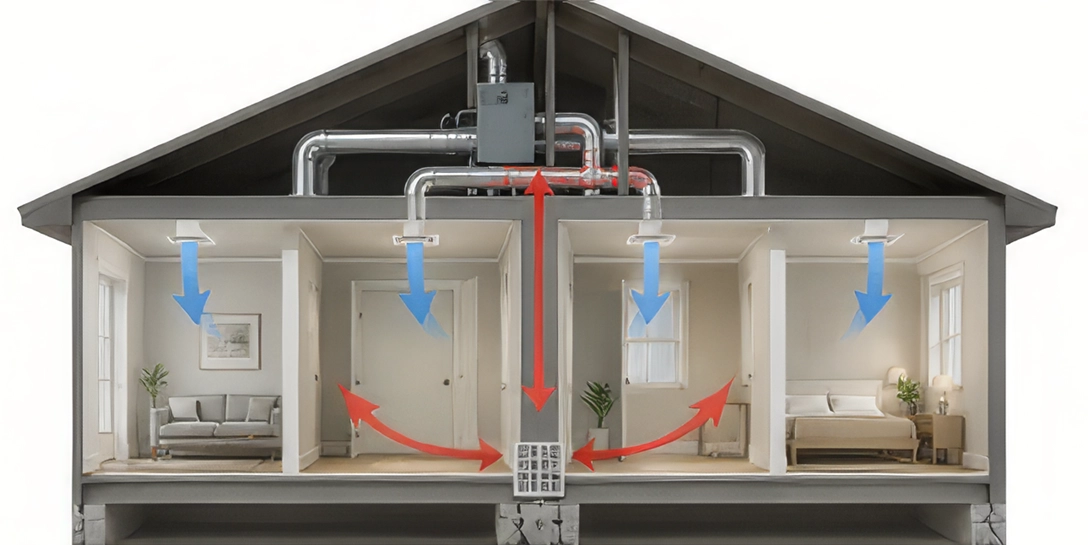
Your HVAC System Was Designed to Work as a Whole
A properly designed heating and cooling system is balanced to deliver the correct amount of conditioned air to each room while allowing that air to return through the home’s return-air system.
When that balance is maintained, your home stays more comfortable, temperatures remain more consistent, and your HVAC system operates more efficiently. When supply vents are closed or rooms are isolated, that balance changes.
Think of It Like Blowing Into a Bottle
One of the most common questions I hear from homeowners is: “If I’m not using a room, shouldn’t I close the air vent and shut the door to save on heating and cooling?”
It sounds logical, but in most homes the answer is no. In fact, closing vents and restricting airflow can actually reduce the efficiency of your HVAC system and make your home less comfortable.
Whether we’re remodeling an older home in Little Rock, building a custom home in Bentonville, or renovating a house in Rogers, this is one of the most common misconceptions we encounter.
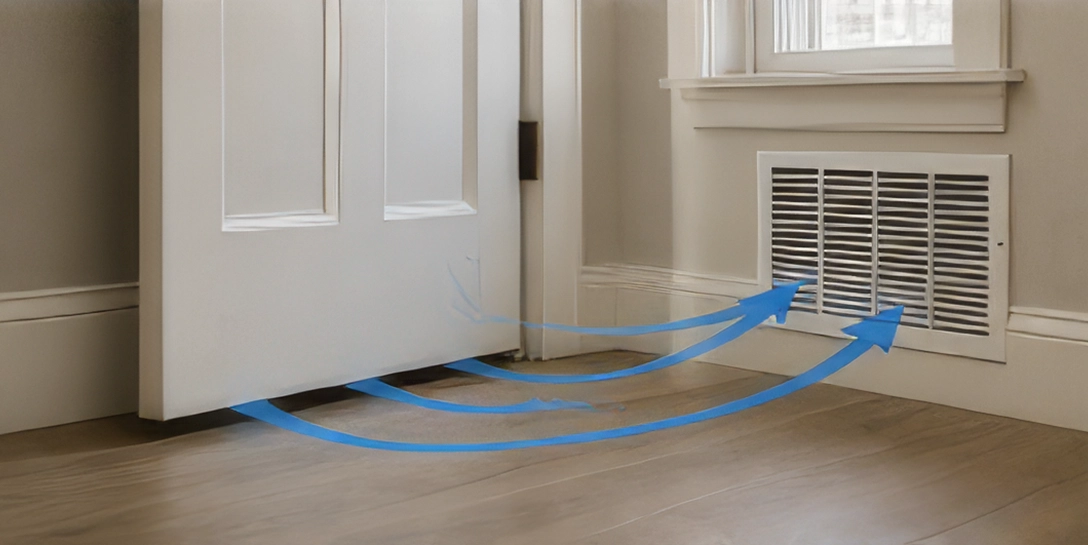
Air Always Finds a Way
When doors are closed and airflow is restricted, air looks for another path. Often, it escapes through small gaps around doors, windows, outlets, and other openings in your home.
Common areas where air leakage can occur include:
- Doors and windows
- Electrical outlets
- Plumbing penetrations
- Attic openings
- Recessed lighting
Why It Matters
Restricted airflow can lead to:
- Uneven room temperatures
- Reduced comfort
- Higher operating pressure inside the duct system
- Increased wear on HVAC equipment
- Reduced humidity control
- Additional air leakage
The Bottom Line
Your heating and cooling system performs best when it operates the way it was designed. Instead of closing vents or isolating unused rooms, focus on improvements that actually increase efficiency: sealing air leaks, improving insulation, maintaining HVAC equipment, verifying proper duct design, and making sure the system is balanced.
Need Advice Before You Remodel or Build?
At Rye General Contractors, we help homeowners make smart design decisions before construction begins. Whether you’re planning a custom home in Northwest Arkansas, a home addition in Rogers or Bentonville, or a remodel in Central Arkansas, understanding how your home’s systems work together can improve comfort, efficiency, and long-term value.